Port & Cheese

Cheese and Port are both exceptionally complex products. Cheese develops hundreds of volatile compounds through enzymatic and microbial activity during aging, while Port acquires layered aromas of dried fruit, nuts, and spices through fortification and prolonged wood or bottle aging. When paired, these two complex systems interact on the palate.
Like any good pairing , the result has to greater than the sum of its parts. However, for this to happen, there are some Golden rules like matching Intensity, balancing acidity, and mostly, avoiding creamy textures with tannins (Young Ruby for example).
White Port
Fresh Cheeses:

Why it works: White Port is lighter, less sweet, and more acidic than red Ports. Its
citrus and stone fruit notes provide a fresh contrast to the mild, lactic, buttery character of soft and fresh cheeses without overwhelming them.
Examples: Faisselle, Feta, Requeijão, burrata...
Suggestion: Dry White Port
Soft-ripened cheese with bloomy rind:

Why it works: Creamy, buttery texture and earthy, mushroom-like flavors pair beautifully with white port because the wine's subtle sweetness tames the cheese's savory umami, while its bright acidity cuts through the richness. The nutty and honeyed notes in white port also echo the cheese's more developed, tangy undertones, creating a balanced, refreshing combination. For best results, match a younger cheese with a fresher white port, and a riper, more intense with an aged white port.
Example: Camembert, Brie, Blütenkäse...
Suggestion: Sweet White Port (age selected according to ripeness)
Aged Sheep Cheeses:

Why it works: Sheep cheeses are known for their citrusy notes and vibrant acidity—traits they share with white port.
As these cheeses age, they develop almond-like nuances, which also appear in aged white ports. Naturally, the pairing should respect age: opt for an old, aged white port with mature goat or sheep cheeses, and a younger white port with fresher ones.
Examples: Terrincho, Manchego
Suggestion: 10 to 20 Years Old White
Blue Cheeses:
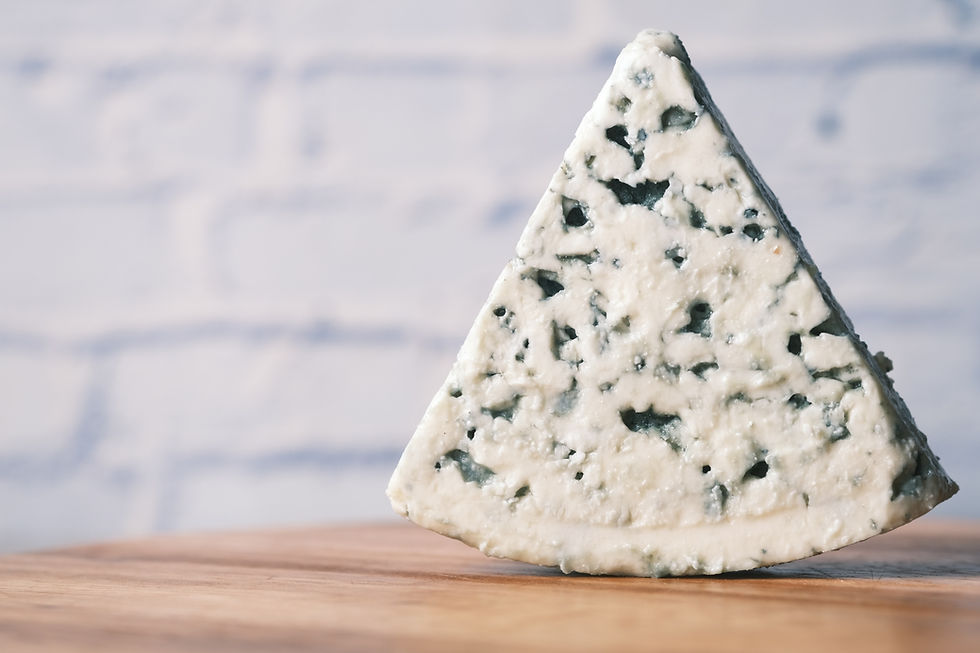
Why it works: Specially with creamier texture Blue, aged Ports tend to be more suitable because the tannins often colide unpleasantly with the lactic character of the Cheese. The oxidative notes will also offer a great bridge to the nutty notes of blue cheeses.
Examples: Roquefort, Gorgonzola, Danablue
Suggestion: 20-30 Years Old White
Tawny Port
Semi-Hard Cheeses:

Why it works: Tawny Port’s oxidative notes of caramel, hazelnut, dried fig, and toffee align closely with the crystalline, nutty, and slightly sweet flavors of hard cheeses. The pairing is one of affinity, not contrast.
Examples: Gruyère, Comté, Havarti, São Jorge
Suggestion: Tawny Reserve, 10 Years Old Tawny
Soft-ripened cheese with washed rind:

Why it works: The cheese brings pungent, savory, meaty, and slightly salty flavors, while the wine offers concentrated nutty, honeyed, and dried fruit notes with a gentle sweetness. That sweetness helps tame the cheese's strong, sometimes barnyard-like funk without hiding its character. At the same time, the nutty, toasted qualities in aged white port echo the cheese's umami depth, creating a harmonious bridge. The wine's acidity cuts through the creamy, sticky texture, cleansing the palate after each rich bite.
Examples: Munster, Époisses, Queijo da Serra, Azeitão
Suggestion: 20 to 30 Years Old Tawny Port
Ruby Port
Blue Cheeses:

Why it works: The high saltiness and intense mold-derived flavors of blue cheese are balanced by the sweet, fruity, and slightly tannic character of Ruby-style Ports. The wine’s residual sugar softens the salt, while its alcohol cuts through the fat. However, one should avoid the young Rubies that present a very tannic character.
Examples: Stilton, Cabrales
Suggestion: Ruby Reserve, Aged Late Bottle Vintage or Aged Vintage Port
Hard, Aged Cheeses:

Why it works: Tannic wines pair best with hard, aged, salty, fatty cheeses because tannins bind to the cheese's proteins and fats, softening the wine's astringency and making it taste smoother. The cheese's saltiness and umami then balance the wine's fruit, preventing bitterness or sourness. The dense, granular texture of aged cheeses stands up to tannins of the Ruby Port.
Examples: Aged Gouda, Parmigiano, Aged Cheddar
Suggestion: Young Vintage, Late Bottled Vintage
However, those tips are based on sensory principles, but individual preferences always take precedence. The diversity of cheesemaking across countries offers a rich field for experimentation with different Port styles.

A combinação de queijo e vinho do Porto realmente provoca uma reflexão sobre como os sabores se interagem. Ao analisar a proposta em que o Betano Casino é mencionado, nota-se que a complexidade de ambos se assemelha a uma experiência de jogo: é preciso estratégia e compreensão das nuances. É interessante observar como o equilíbrio entre os elementos pode criar uma experiência única, seja na mesa ou no jogo.
A interação entre queijo e vinho do Porto é fascinante, revelando camadas de complexidade. A maneira como as texturas e os sabores podem se complementar é sutil. Contudo, é crucial observar as regras de emparelhamento, como a resistência da textura. Pessoalmente, a combinação entre queijos e Frank sempre traz surpresas, refletindo a rica diversidade das preferências individuais. Isso torna cada degustação única e emocionante.